Understanding Stone-Coated Metal Roofing
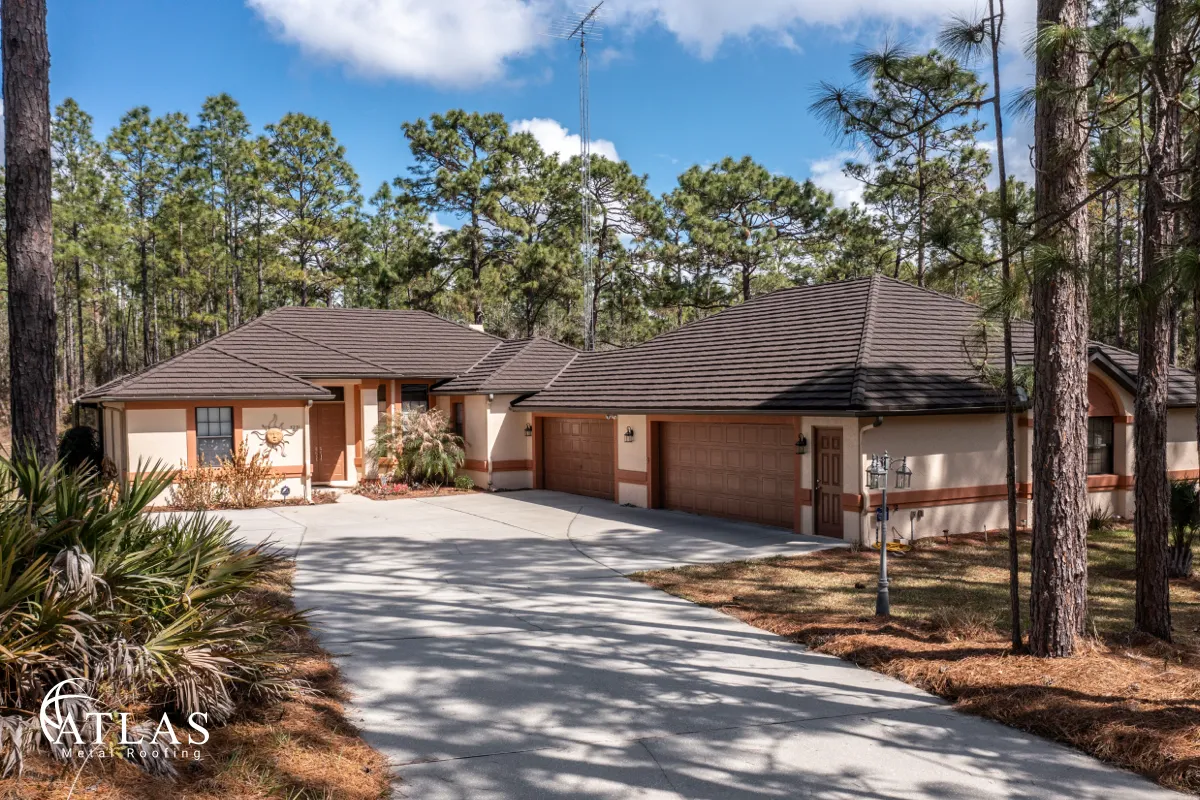
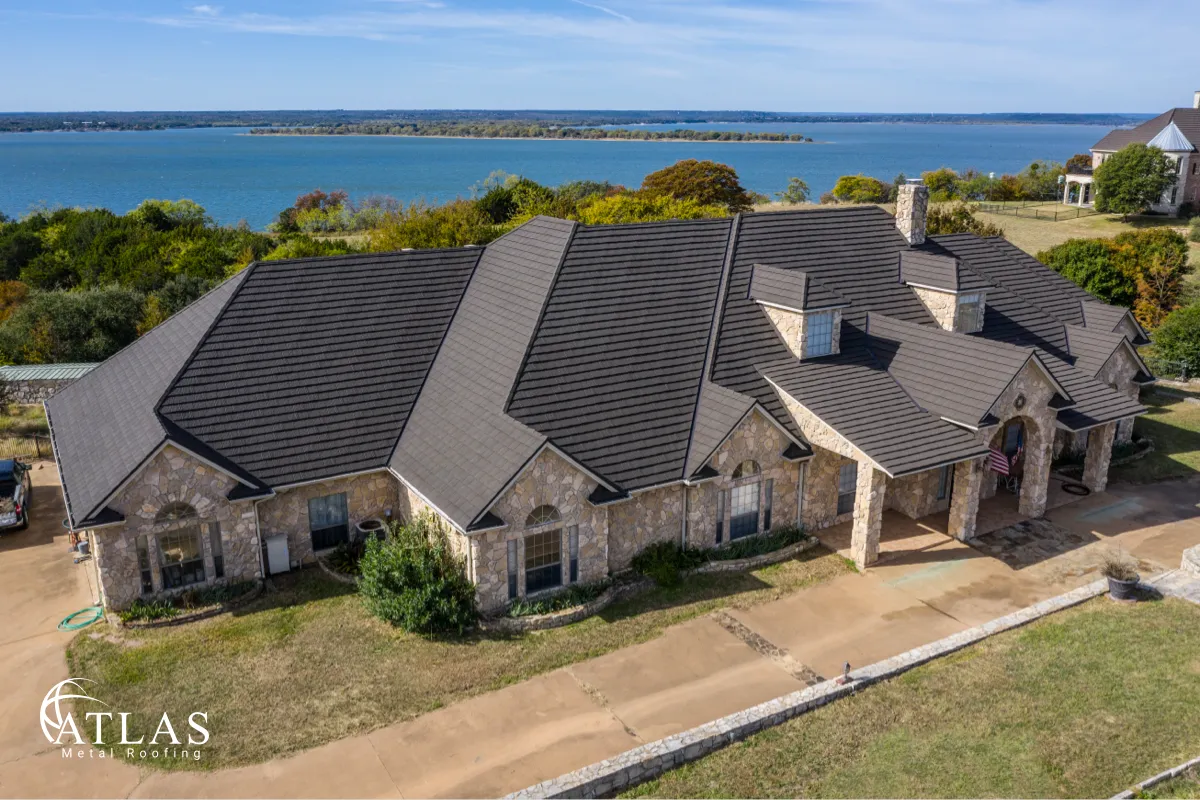
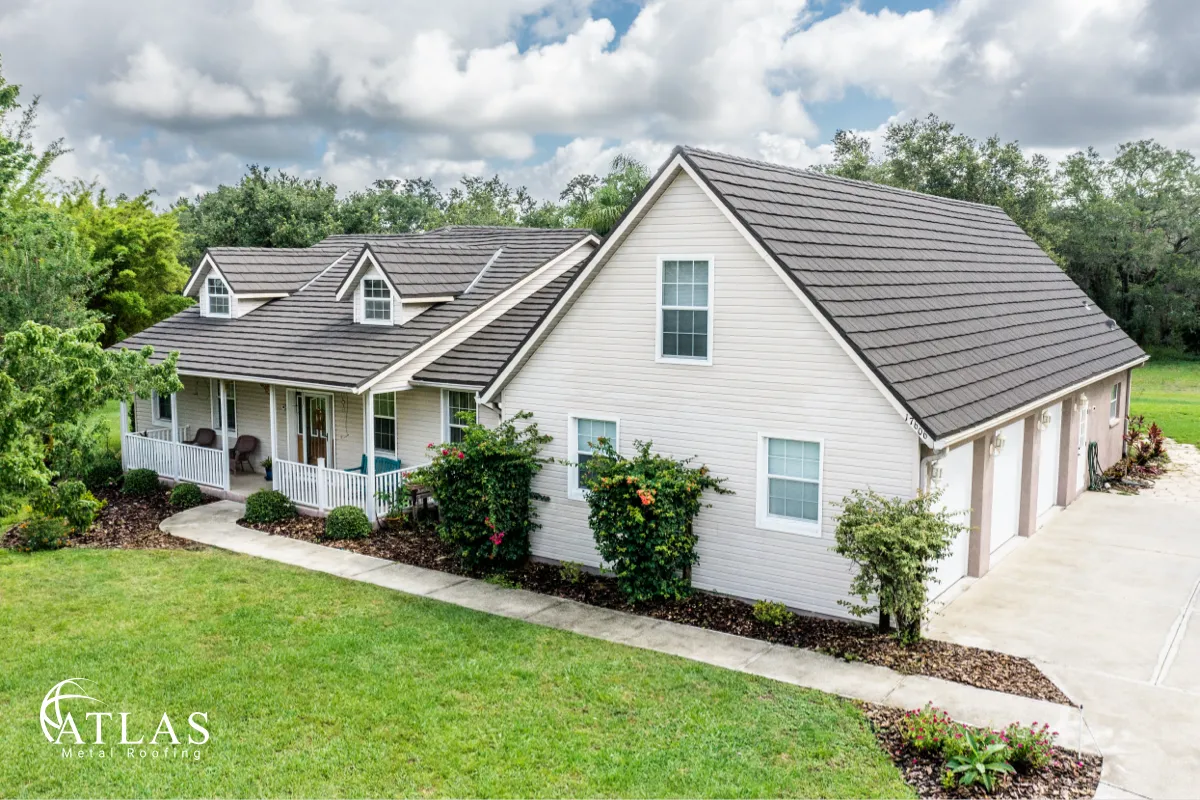
Stone-coated metal roofing provides the best balance of beauty, strength, and longevity for homeowners who want a roof that looks like traditional shake, tile, or shingle but lasts far longer. The stone chips bonded to steel panels create a textured, upscale appearance while delivering unmatched resistance to hail, wind, and fire. Unlike asphalt shingles, stone-coated systems offer a 40–70 year lifespan with very little upkeep. While ceramic coated metal roofing has its place for energy efficiency and reflectivity, stone-coated metal roofing is the leading choice for homeowners who want the “last roof they’ll ever need” without sacrificing curb appeal.
How Stone-Coated Systems Work
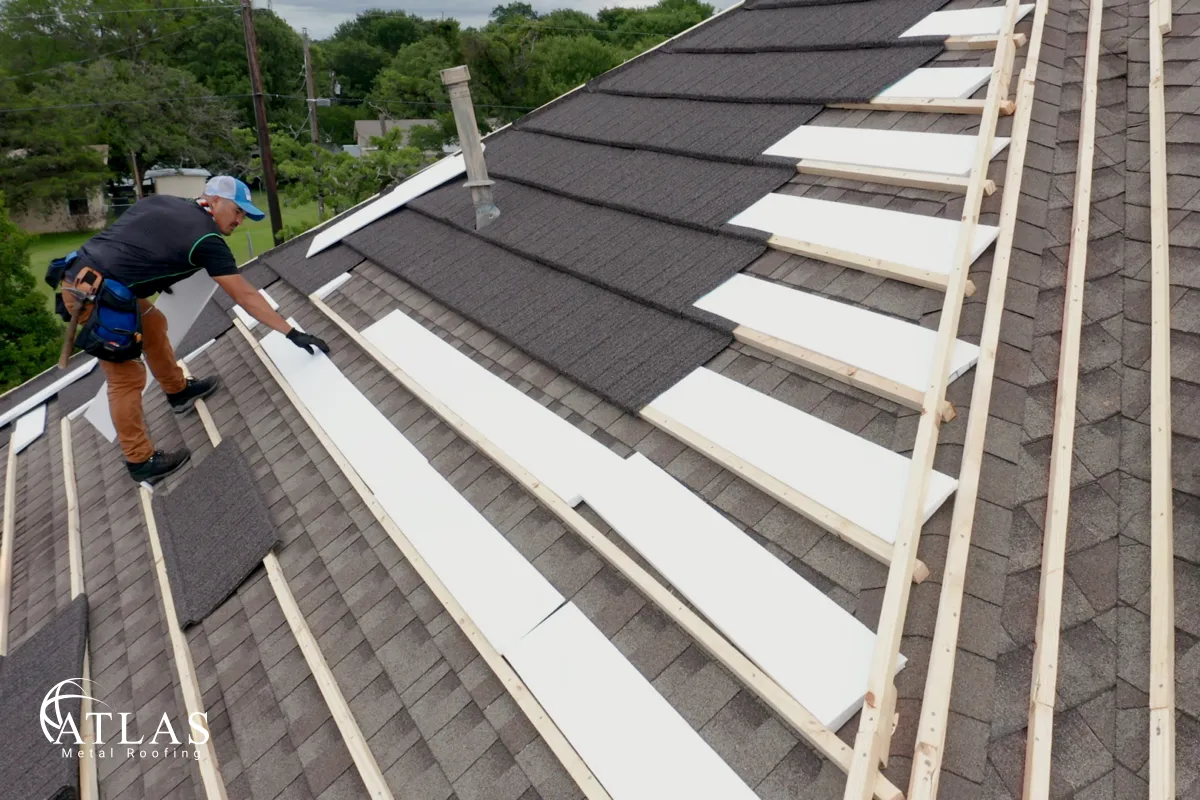
Stone-coated systems use a steel base coated with corrosion-resistant alloys, then finished with stone granules embedded into an acrylic binder. This process creates the look of shake, tile, or shingle with the performance of metal. The interlocking design resists uplift, keeping panels secure even in high-wind areas. The textured surface also hides small scratches, dust, and weathering far better than smooth ceramic finishes.
Stone-Coated vs Ceramic-Coated Roofing
Stone-coated metal roofing excels at aesthetics and resilience, while ceramic-coated roofing is strongest in heat reflection and energy savings. Stone-coated roofing is often chosen when style and long-term durability are the priority, especially for homeowners who want their roof to blend seamlessly into the neighborhood. Ceramic-coated roofing, with its smooth painted look, is better suited for those who specifically want a high SRI rating and maximum solar reflectance. Both options offer long life, but stone-coated systems provide broader design choices and a more natural appearance.
Energy Efficiency and Comfort
Both stone-coated and ceramic-coated roofs reduce heat transfer compared to shingles. Ceramic-coated roofs reflect more infrared energy, while stone-coated roofs manage heat through insulation value and thermal mass from the granules. The result in either case is a cooler attic, lower AC demand, and improved comfort. Homeowners who want the very highest solar reflectance index (SRI) numbers may lean toward ceramic coatings, but stone-coated roofs still contribute significantly to energy savings.
Table 1: Energy and Appearance Comparison
| Feature | Stone-Coated Metal (Best Choice) | Ceramic-Coated Metal |
| Appearance | Mimics shake, tile, or shingle | Smooth, painted metal |
| Curb Appeal | High, natural look fits any neighborhood | Modern, sleek, limited style |
| SRI/Reflectance | Moderate but sufficient | High |
| Texture | Hides dirt, scratches, wear | Shows dirt and chalking |
| Longevity | 40–70 years | 40–70 years |
Substrates and Corrosion Resistance
Both stone-coated and ceramic-coated systems are built on corrosion-resistant steel substrates such as Galvalume or Galvanized. Stone-coated roofs are especially durable in coastal or humid regions because the granules shield the underlying metal from UV and water exposure. Ceramic-coated roofs rely heavily on the quality of pigments and primers to hold their color and performance over time.
Aesthetic Options and Curb Appeal
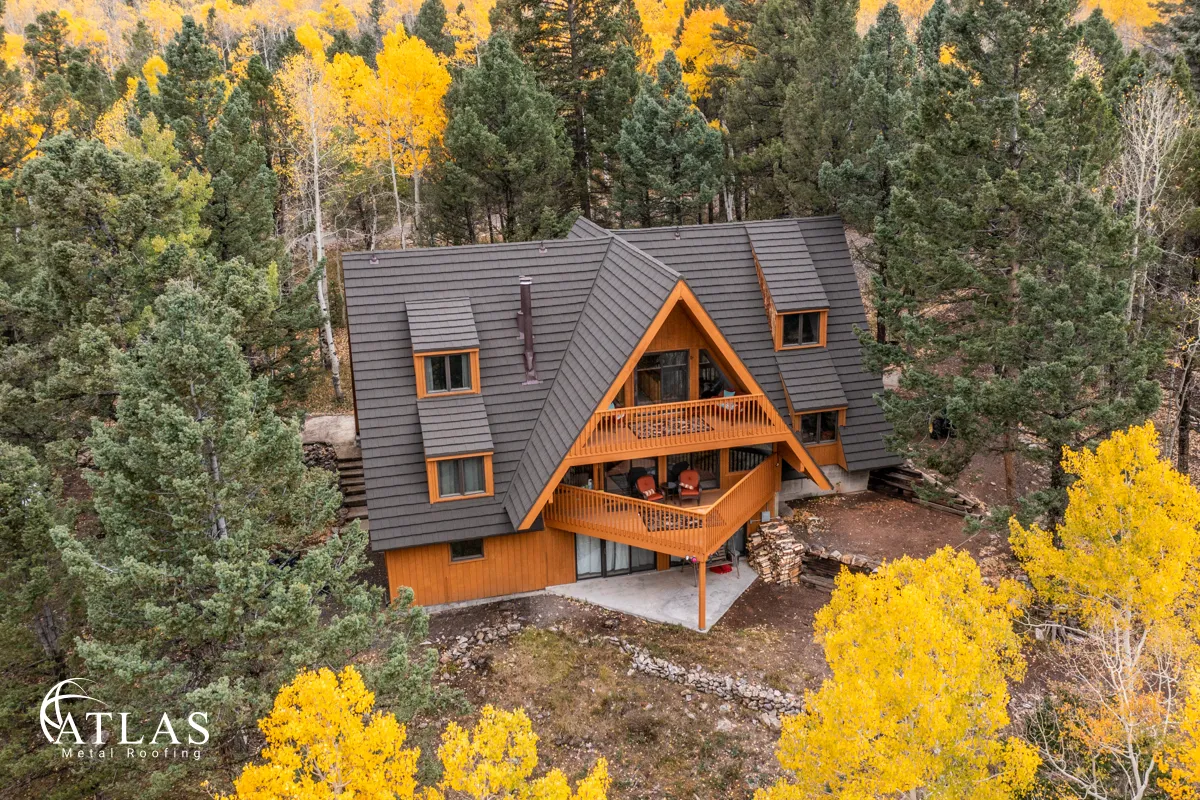
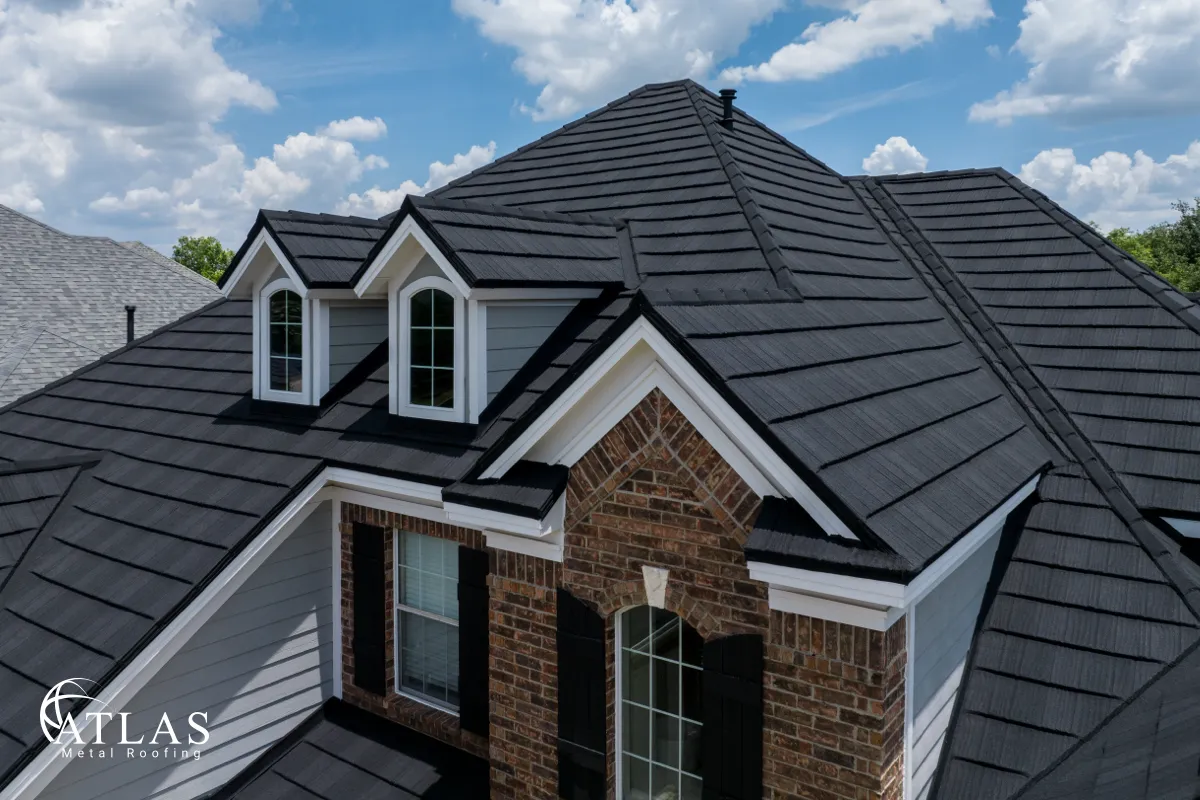
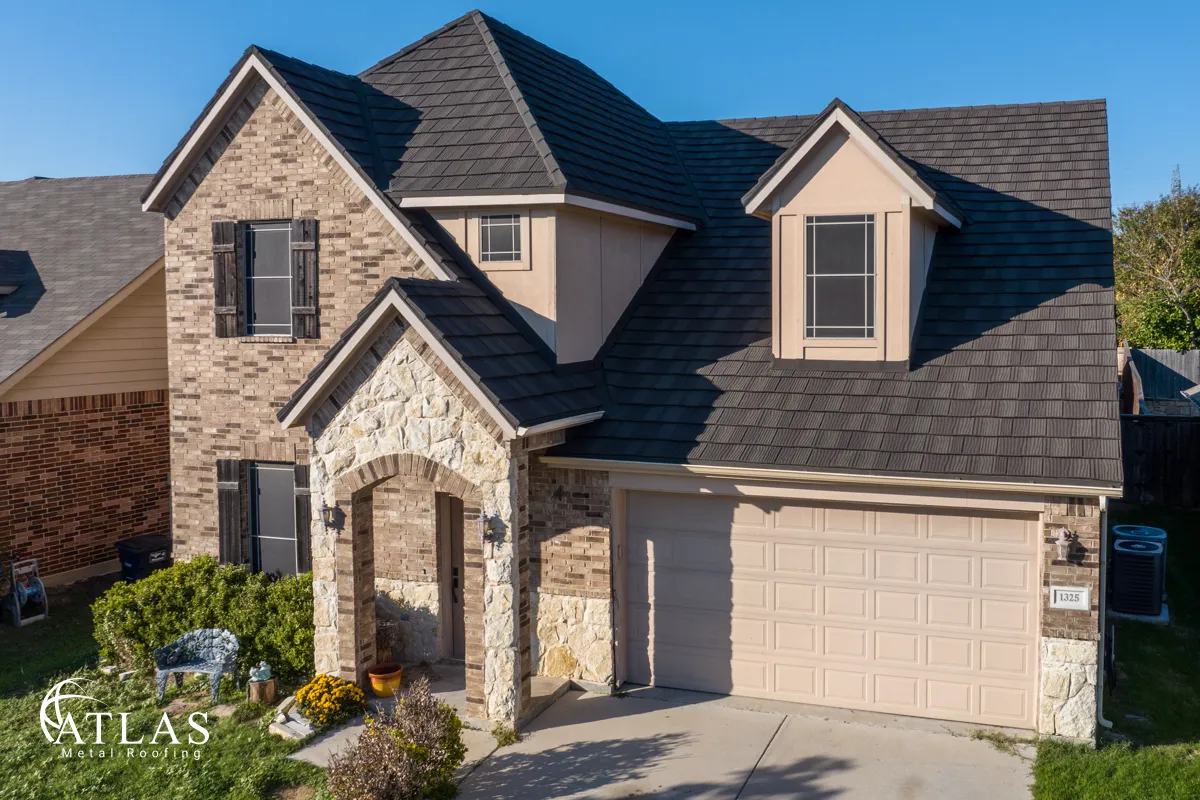
Stone-coated roofing shines when it comes to curb appeal. Profiles include shake, barrel tile, and dimensional shingle, giving homeowners the look they want with metal’s performance. The textured granules create depth and character that blends well in traditional neighborhoods. Ceramic-coated systems, on the other hand, offer smooth modern finishes in matte or gloss, better suited for contemporary homes. Both improve resale value, but stone-coated options often appeal to a broader buyer market.
List 1: Top Reasons to Choose Stone-Coated Roofing
- Classic look of shake, tile, or shingle with metal strength
- Wide range of profiles and colors to match any home style
- Textured granules hide scratches, dust, and aging far better than smooth finishes
- Strong wind, hail, and fire resistance for all climates
- Broad appeal for resale and higher property value
Installation and Warranty Protection
Stone-coated panels interlock on all sides, creating a watertight and wind-resistant system. Because of the interlocking design, installation can be faster and more secure compared to larger ceramic-coated panels. Both systems require trained installers to maintain warranty coverage, but stone-coated systems tend to be more forgiving on visual alignment because of the textured surface.
Maintenance and Longevity
Stone-coated roofing requires very little upkeep. The stone chips resist fading and chalking, and the textured surface keeps the roof looking fresh even as it ages. Maintenance generally involves occasional inspection of flashings, valleys, and fasteners. Ceramic-coated systems also last 40–70 years, but their smooth painted finish can show dirt, chalk, or scratches more easily over time, requiring more frequent cleaning.
Table 2: Maintenance Snapshot
| Task | Stone-Coated Roof (Best Choice) | Ceramic-Coated Roof |
| Cleaning | Minimal, hides dirt naturally | Needs regular cleaning to stay sharp |
| Inspections | Annual check of flashings | Annual check of flashings and sealants |
| Color Stability | Excellent, granules resist fading | Good, pigments can chalk or fade |
| Appearance Over Time | Retains classic look for decades | May dull or show wear sooner |
Cost vs Value for Homeowners
When comparing cost versus value, stone-coated roofing often comes out ahead for homeowners looking at total return. It may have a slightly higher upfront investment than ceramic-coated systems, but the timeless look, wide appeal, and long warranty provide excellent resale value. Ceramic-coated roofs do deliver strong energy savings, which can balance costs for some homeowners. Both options are superior to shingles, but stone-coated roofing provides a better all-around value for the majority of homeowners.
Lifetime Guarantees and Peace of Mind
Most stone-coated roofing systems include lifetime transferable warranties covering defects and performance. Ceramic-coated roofs also carry lifetime guarantees, but coverage depends heavily on color stability and maintenance. Stone-coated warranties tend to be simpler and broader, offering peace of mind that your investment is well-protected.
Atlas Expertise and Installation
Atlas Metal Roofing installs both ceramic-coated and stone-coated metal systems, but we recommend stone-coated roofing as the top option for most homeowners. Our team provides exact quotes using satellite imagery, no-pressure consultations, and expert installation that preserves full warranty coverage. Whether you choose stone or ceramic, Atlas ensures professional workmanship and long-term value.
FAQs for Homeowners
Why choose stone-coated over ceramic-coated metal roofing?
Stone-coated roofs provide classic curb appeal, textured finishes, and easier maintenance.
How long will a stone-coated roof last?
With proper installation, most last 40–70 years.
Is ceramic-coated roofing still a good choice?
Yes, especially for homeowners who want modern smooth finishes and maximum energy reflectivity.
Takeaway: Stone-coated metal roofing is the best overall choice for most homeowners, blending durability, curb appeal, and low maintenance into a roof that lasts decades. Ceramic-coated roofing remains a good secondary option for those focused primarily on energy efficiency and modern design. With Atlas, you can choose the right option for your home, backed by expert installation and a lifetime guarantee.